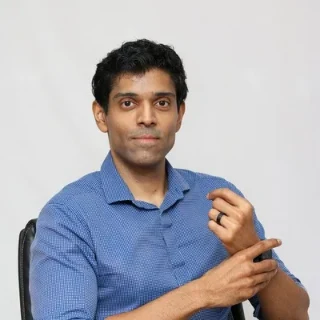
HumanSide Simulations was built by someone who not only conducts empirical research on business games and simulations, but has lived the experience accumulated across hundreds of titles and thousands of hours of play.
I'm a Senior Lecturer in Management at The University of the West Indies, where I teach Organizational Behaviour, Leadership Communication, and HRM. My PhD is from the University of Sheffield, and my research focuses on higher education, teaching effectiveness, and management learning.
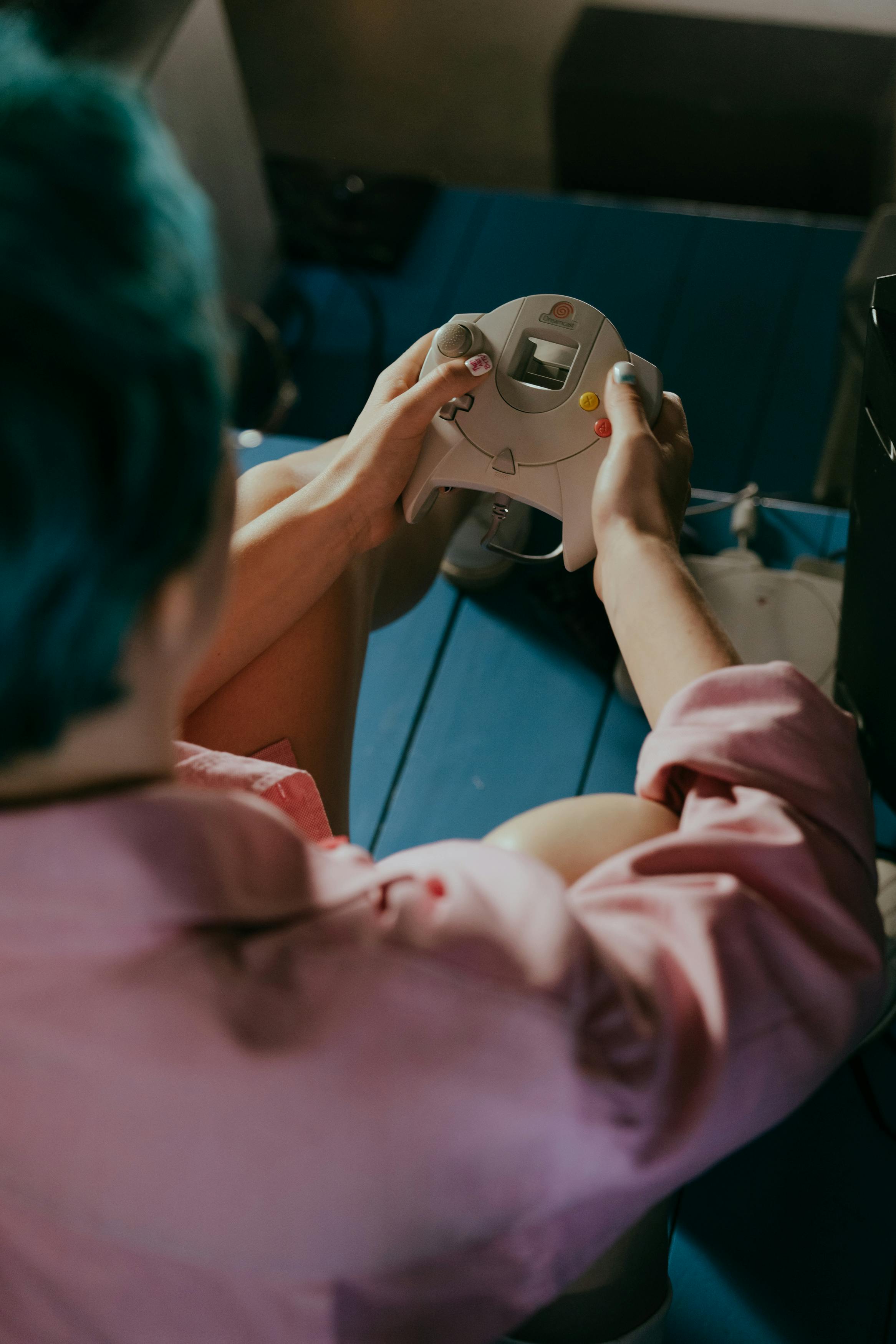
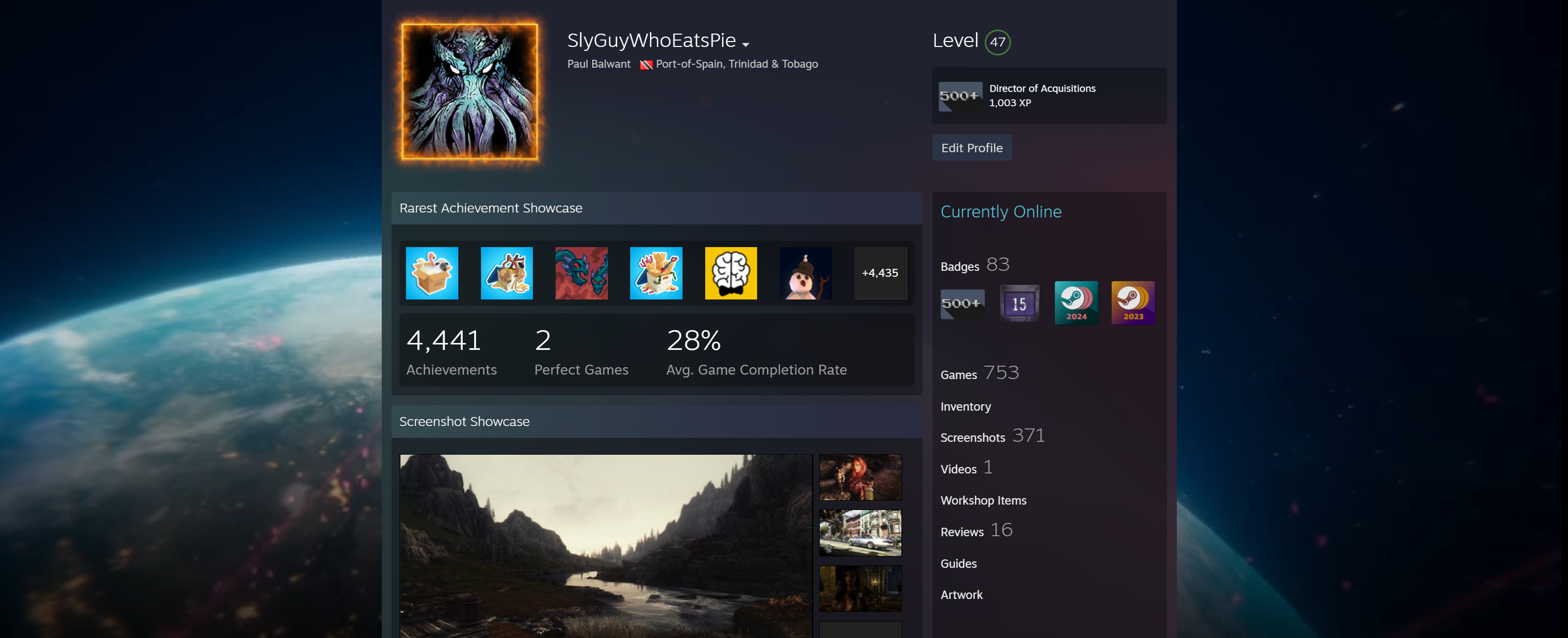
I'm also, unambiguously, a gamer. My Steam library has over 750 titles, and I hold strong opinions about progression systems, narrative design, and the difference between a game that teaches and one that merely informs. I call myself an "academic-gamer," and building HumanSide is one of the most natural things I've ever done.
Before founding HumanSide, I contributed to the development of a simulation for CapsimInbox, one of the leading academic simulation platforms. That gave me a working understanding of the genre from the inside, and a clear sense of what I wanted to build differently.
Long before I built simulations for management education, games were teaching me real things (economics, strategy, history, human behaviour) without ever announcing themselves as lessons.
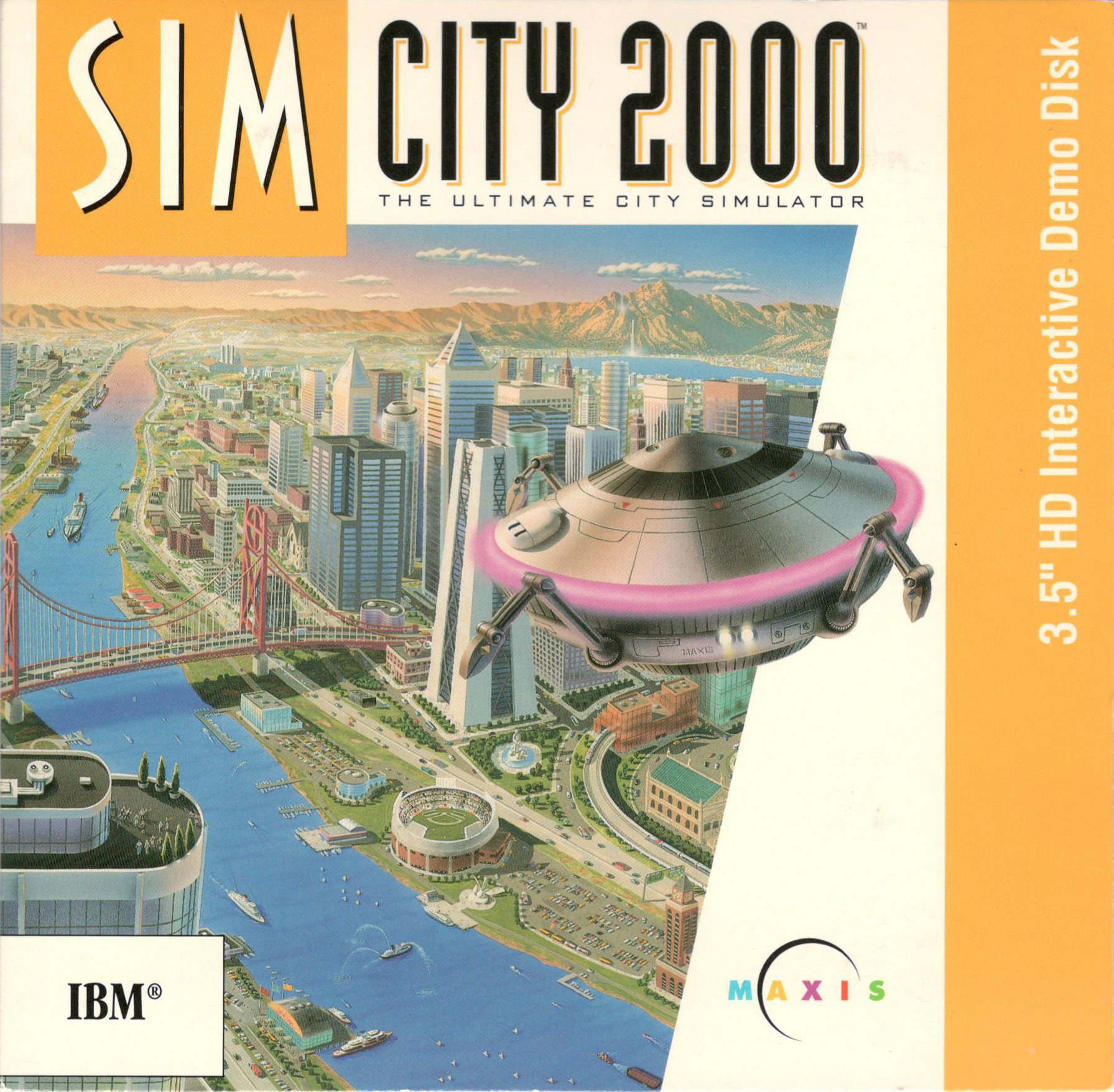
SimCity 2000 taught me how to apply the economics I was learning from textbooks. Building and managing a city forced me to reason through tax rates, infrastructure investment, residential-versus-industrial zoning, and the downstream effects of fiscal policy, all in real time, with immediate feedback from my citizens. When I sat my Cambridge A'Level Economics exam, I drew on those mental models repeatedly. Long before I read a word of educational research on experiential learning, a city-builder had already demonstrated the principle to me.


StarCraft is a relentless, real-time tutor in strategic thinking. Managing resources, scouting for information, reading an opponent's strategy, and executing under time pressure are the same cognitive demands that appear in competitive organizations every day. It taught me what good strategy actually feels like in practice: not a plan you follow, but a disposition toward rapid, informed adaptation.

Online multiplayer games are living laboratories for human behaviour. In Overwatch I've observed nearly every group-dynamics phenomenon covered in an OB textbook: social loafing, communication breakdown, conflict escalation, heroic OCB, and the outsized effect of a single composed player on team morale, all in real time, among strangers, under pressure.

The Assassin's Creed series has taken me through ancient Egypt, Renaissance Italy, Revolutionary Paris, and Viking Britain with a historical fidelity most textbooks can't match. Kingdom Come: Deliverance goes further still, a medieval open world so meticulously researched that I found myself genuinely learning 15th-century Bohemian society, feudal power structures, and village social dynamics. History as lived experience, not memorised fact.

These examples aren't curated anomalies; they reflect a pattern I've seen across hundreds of titles. Games teach because they are interactive, consequential, and emotionally engaging. They create the conditions for deep learning that educational research has long argued for: active participation, immediate feedback, and meaningful stakes. These are the same conditions I try to build into every HumanSide simulation.
For most of my academic career, I lived two parallel lives: a management researcher building evidence-based courses, and a gamer noticing, again and again, how effortlessly a well-designed game could transmit complex ideas.
HumanSide Simulations is what happens when those two lives converge. These are genuine attempts to build something worth playing, something that earns learners' attention the way a good game does, while remaining anchored in the research on workplace behaviour and management education.
What years of gaming have given me is an intuitive feel for what makes a simulation worth completing: how feedback can feel meaningful or hollow, how a choice can feel consequential or arbitrary, and how narrative design shapes the experience of learning in ways the learner doesn't always register. I'm still developing as a designer, and building these games has meant considerable learning on the go. But the ideas come from years of both academic research and genuine play.
That's the case for HumanSide. Not just that "simulations work" (though they do), but that the quality of the simulation matters enormously, and that the person building it should understand, from genuine experience, what good game design actually feels like.
Grounded in the higher-education literature, but it started with a conviction I formed long before I read the research: learning is most durable when it feels like something worth doing.
I build each class around a small number of core ideas, explored in depth, rather than rushing through content. That depth creates room for debates, simulations, role-plays, and discussion: the kind of engagement where students are teaching each other without realising it.
I apply the frameworks I teach. A course is a temporary organization; the instructor is its leader. I use transformational and authentic leadership principles to build a classroom climate students find stimulating, honest, and worth investing in.
Management is a scientific discipline. I want students to leave knowing how to learn: how to evaluate evidence, question assumptions, and update beliefs in light of data. That scientific disposition is more durable than any single theory.
Teaching and research are inextricably related. I spend considerable time designing each session so that every class offers something novel, not just in content, but in how the material is delivered. My hope is that students leave not only knowing more about management, but equipped with the scientific mentality to keep learning long after the course ends.
Whether you're an educator exploring the simulations or a researcher with a question, I read every message personally.
Explore the simulations, request an educator pilot, or just send a message. Every one reaches me directly.